Products
Back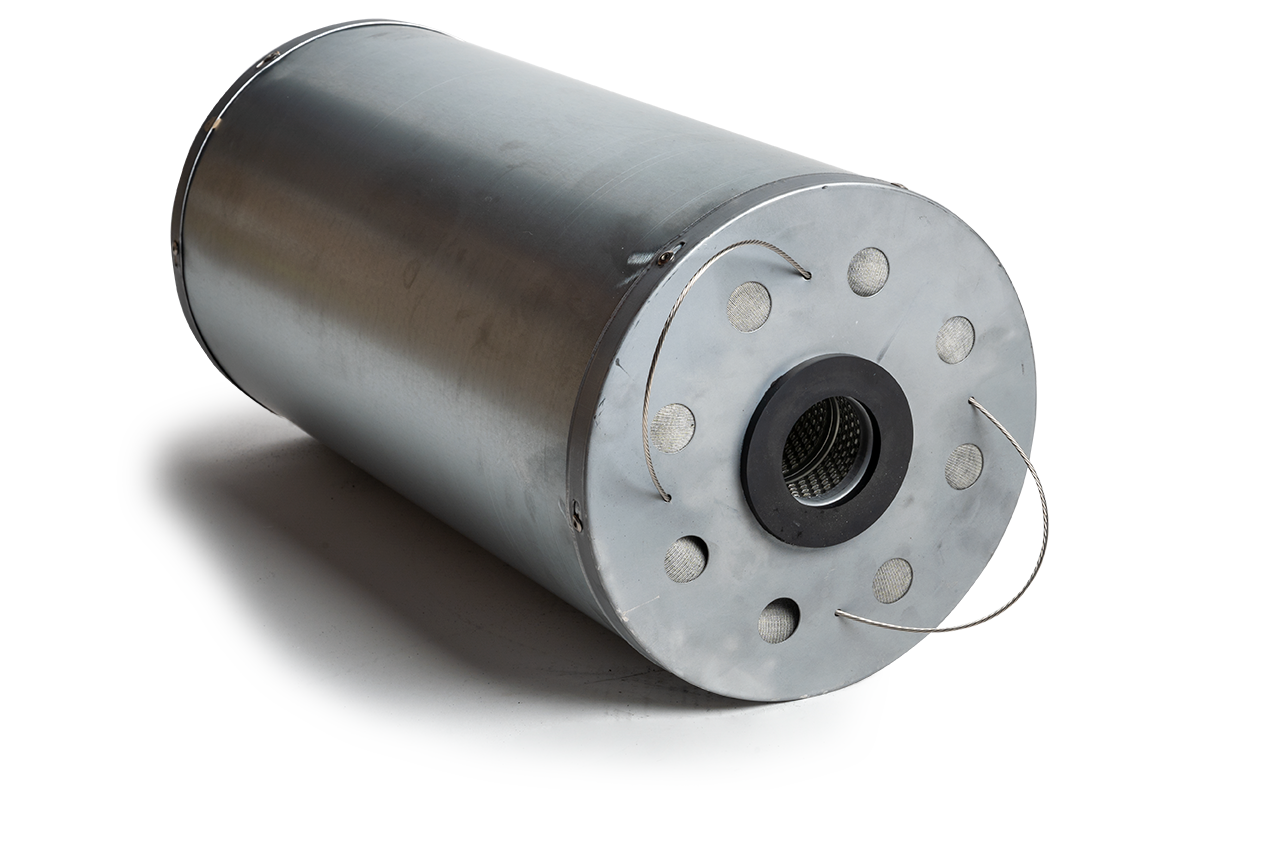

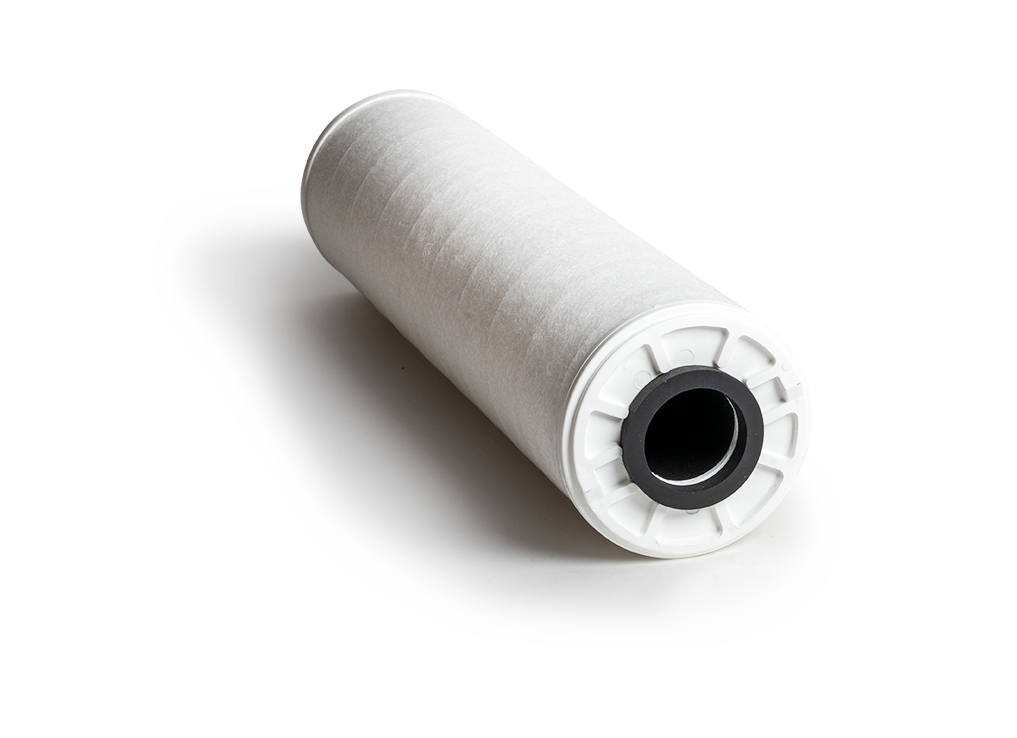


Carbon Filters
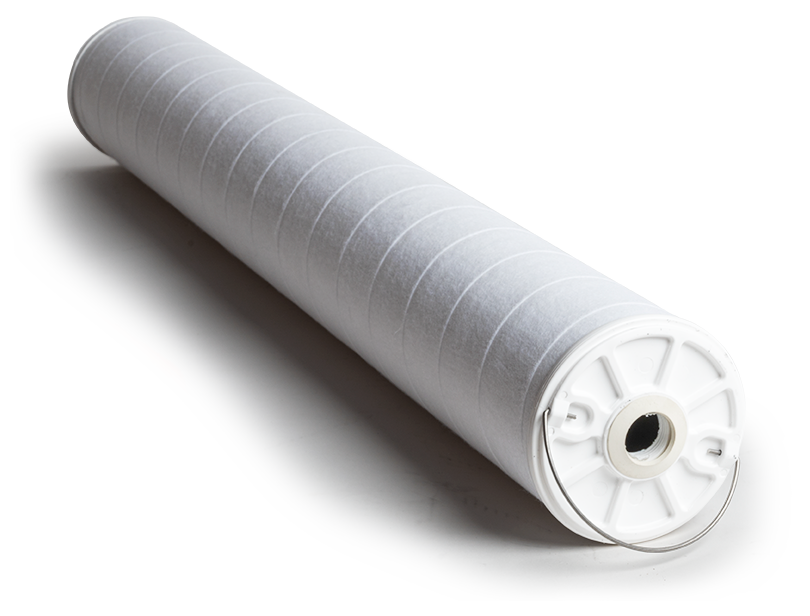
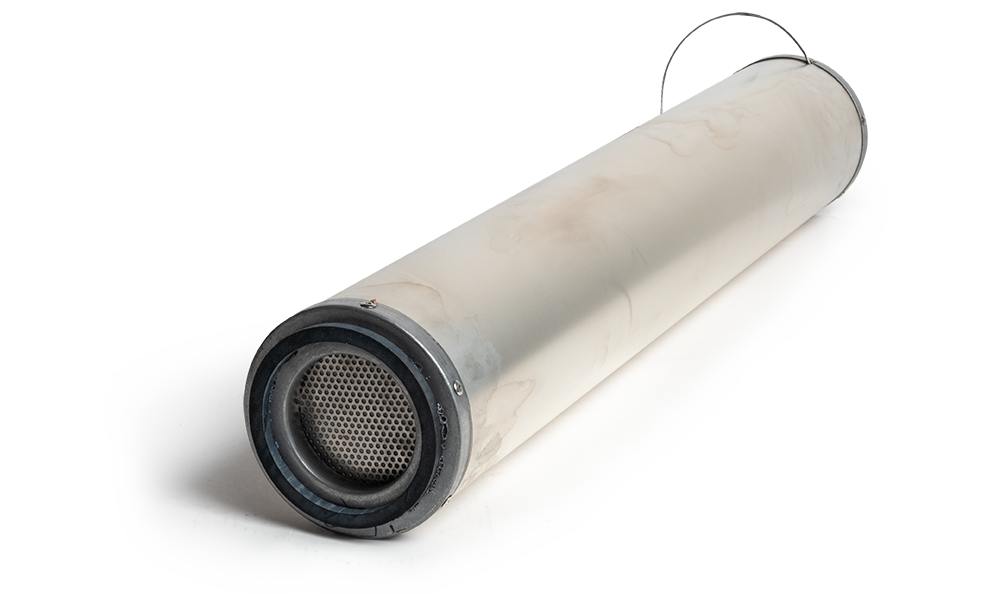
Carbon filters, also known as adsorption filters, are widely used for air and water filtration. These filters comprise of carbon-based media made from granular activated carbon—a highly porous and adsorbent material. They work by trapping impurities, chemicals, and pollutants through physical and chemical bonds.
Activated Carbon is a form of carbon that has been processed to create an extensive surface area in every grain. Carbon activation can be achieved through two methods: thermal activation and chemical activation. In thermal activation, the product is exposed to heat to help open up the pores. In the second method, chemicals are added to the source material.
The seven most common types of activated carbon are granular, powder-activated, extruded, impregnated, bead-activated, woven, and polymer-activated. The type required depends on the application. They can remove a wide range of contaminants, including volatile organic compounds, objectionable odours such as hydrogen sulphide, chlorine taste, and other chemicals that give water an unpleasant taste or odour. They are also particularly effective air purifiers as they remove pollutants such as smoke, chemicals, and other volatile organic materials.
Carbon filters are available in many forms, including granular activated carbon (GAC) filters, carbon block filters, and carbon beds. The lifespan of each carbon filter form depends on several factors, such as the type and quality of the carbon, the number of contaminants present in the air or liquid, and the flow rate.
Applications & Uses:
- Potable Water
- Reverse Osmosis
- Organic Compounds
- Chemicals & Pollutants in water supplies
- Smoke & Other Air Pollutants
- Odour Control, Commercial & Industrial Settings
- Food & Beverage Processing
- Air Purification Systems
- Oil & Gas Processing